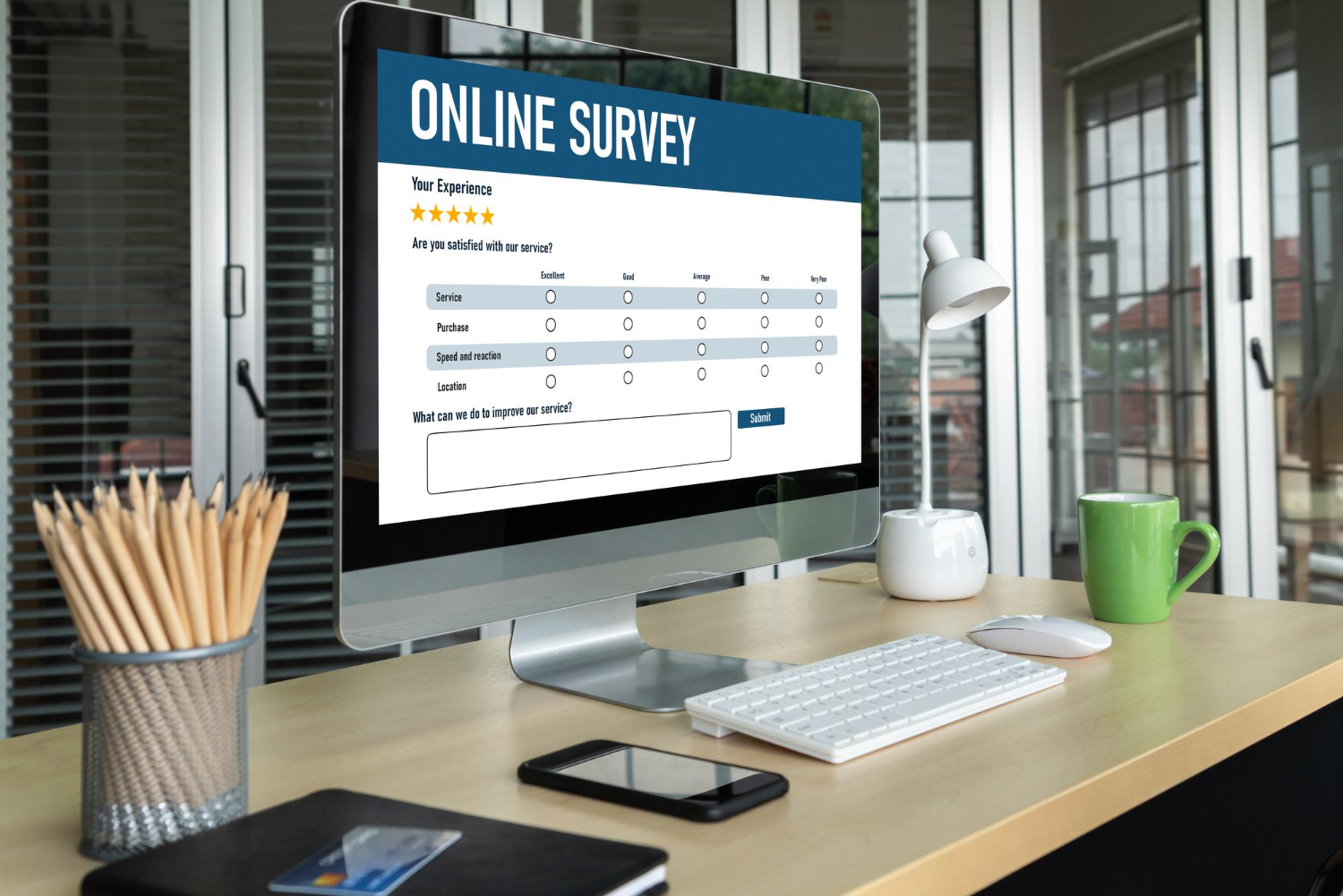
Understanding what consumers think, need, and expect is essential for businesses operating in competitive markets. Consumer behavior influences purchasing decisions, brand preferences, product development, and customer loyalty. While businesses can use sales data and analytics to understand what customers do, online surveys provide an opportunity to understand why they do it.
Online surveys have become an important tool in market research because they allow organizations to collect direct feedback from consumers at scale. When designed and conducted properly, surveys can provide valuable insights into attitudes, preferences, motivations, and expectations.
What Is Consumer Behavior?
Consumer behavior refers to the way individuals make decisions about products, services, and brands. It includes everything from recognizing a need and researching available options to making a purchase and evaluating the experience afterward.
Several factors can influence consumer behavior, including:
- Price and perceived value
- Product quality and features
- Brand reputation
- Personal preferences
- Social and cultural influences
- Customer experience
- Convenience and accessibility
- Changing market trends
Understanding these factors helps businesses make more informed decisions instead of relying solely on assumptions.
How Online Surveys Help Understand Consumers
Online surveys provide a direct channel for asking consumers about their experiences and opinions. Unlike behavioral data, which primarily shows what happened, survey responses can reveal the reasoning, expectations, and perceptions behind those behaviors.
For example, a company may notice that customers are abandoning their online shopping carts. Analytics can identify where customers leave the website, but a survey can help uncover possible reasons, such as unexpected costs, complicated checkout processes, lack of payment options, or concerns about delivery.
This combination of behavioral and opinion-based information can provide a more complete understanding of the customer journey.
Identifying Consumer Preferences
Consumer preferences can change quickly. Features that were once considered important may become less relevant as new products, technologies, and expectations emerge.
Online surveys allow researchers to ask consumers directly about their preferences. Questions can explore product features, pricing, packaging, communication channels, purchasing habits, and brand perceptions.
For instance, a food company preparing to launch a new product could use surveys to understand preferred flavors, packaging options, price points, and purchase intentions before making major investment decisions.
Measuring Brand Perception
A company’s perception among consumers can have a significant impact on purchasing decisions. Online surveys can help measure how consumers view a brand and how it compares with competitors.
Researchers can explore areas such as:
- Brand awareness
- Brand familiarity
- Perceived quality
- Customer satisfaction
- Brand trust
- Purchase consideration
- Likelihood to recommend
Tracking these measures over time can help organizations identify changes in consumer sentiment and evaluate the impact of marketing initiatives.
Understanding the Customer Journey
Consumer behavior is not limited to the final purchase. It develops across multiple stages of the customer journey.
Surveys can be used to understand consumer experiences before, during, and after a purchase. Researchers may ask how consumers discovered a brand, what influenced their decision, what concerns they had, and how satisfied they were with the overall experience.
This information can help businesses identify friction points and opportunities for improvement.
The Importance of Asking the Right Questions
The quality of survey insights depends heavily on the quality of the questions.
Poorly worded, leading, or overly complicated questions can influence responses and reduce the reliability of research findings. Effective surveys should have a clear objective and use straightforward language.
A well-designed survey generally:
- Has a defined research goal
- Uses clear and unbiased questions
- Keeps respondents engaged
- Avoids unnecessary questions
- Uses appropriate response options
- Targets relevant respondents
- Maintains a logical flow
Researchers should also consider survey length carefully. A survey that is too long may result in respondent fatigue, incomplete responses, or reduced attention.
Reaching the Right Respondents
Collecting a large number of responses does not automatically guarantee useful insights. Respondent relevance is equally important.
For example, if a business wants to understand electric vehicle purchasing decisions, responses from people who have no interest in purchasing or considering an electric vehicle may not provide the most relevant perspective.
Screening questions can help identify respondents who meet specific research criteria. This improves the relevance of the sample and helps researchers focus on the consumer groups that matter to the research objective.
Combining Quantitative and Qualitative Feedback
Online surveys can support both quantitative and qualitative research.
Closed-ended questions can generate measurable data that researchers can analyze across demographic or behavioral groups. Open-ended questions, meanwhile, allow respondents to explain their thoughts in their own words.
For example, a rating question may show that customers are dissatisfied with a service, while an open-ended question can reveal the specific issues behind that dissatisfaction.
Using both types of questions can provide a richer understanding of consumer behavior.
Turning Survey Responses Into Insights
Collecting responses is only one part of the research process. The real value comes from analyzing the information and connecting it to business questions.
Researchers can identify patterns across factors such as age, location, purchasing behavior, product usage, or customer segment. Comparing these groups can reveal differences that may otherwise remain hidden in overall results.
Advanced analysis can also help identify relationships between attitudes and behaviors, allowing businesses to develop more targeted strategies.
Why Consumer Insights Matter
Consumer insights can influence decisions across many areas of an organization. Product teams can use feedback to improve features, marketers can refine messaging, and customer experience teams can identify areas requiring attention.
The goal is not simply to collect more opinions. It is to understand those opinions in context and use them to support better decisions.
Types of Consumer Insights Gathered Through Surveys
1. Purchase Motivations
Surveys can reveal what drives a consumer to choose one brand over another, whether it’s price sensitivity, brand loyalty, product quality, convenience, or social influence. Questions structured around ranking, rating scales, or open-ended responses help quantify and qualify these motivations.
2. Customer Satisfaction and Loyalty
Metrics such as Net Promoter Score (NPS), Customer Satisfaction Score (CSAT), and Customer Effort Score (CES) are commonly gathered through post-purchase or post-interaction surveys. These metrics help businesses gauge how likely customers are to repurchase or recommend a brand.
3. Perception and Brand Positioning
Surveys help organizations understand how their brand is perceived relative to competitors. This includes attributes like trustworthiness, innovation, value for money, and customer service quality.
4. Behavioral Patterns and Usage Habits
Understanding how, when, and why consumers use a product provides valuable input for product development and marketing strategy. Surveys can capture frequency of use, preferred channels, and unmet needs.
5. Emerging Trends and Preferences
Longitudinal or periodic surveys allow businesses to track shifts in consumer preferences over time, helping them anticipate market trends before they become mainstream.
The Future of Online Consumer Research
As consumers become increasingly comfortable with digital interactions, online surveys will continue to play an important role in market research. Advances in research technology, respondent targeting, automation, and analytics are making it easier to collect and interpret consumer feedback.
However, technology alone does not guarantee meaningful research. Strong research still depends on clear objectives, appropriate respondents, thoughtful questionnaire design, and careful analysis.
Also read: How to Monetize Consumer Insights: A Guide to Paid Online Surveys
Conclusion
Online surveys provide businesses with a practical way to hear directly from consumers and understand the motivations behind their behavior. From measuring brand perception and identifying preferences to evaluating customer experiences and testing new ideas, surveys can support decisions throughout the business lifecycle.
When the right questions are asked to the right people and the resulting feedback is analyzed thoughtfully, consumer opinions can become valuable market intelligence. For organizations looking to understand their audiences more deeply, online surveys remain a powerful part of the modern market research toolkit.